About Alaskan Dogs:
The group of dogs originating or developed in the cold north is very diverse. They are well equipped for the cold Alaskan climate and terrain. They are hardy, athletic, energetic. and make loving, loyal companions. People from ancient times to the present have used Alaskan dogs to herd, hunt, pull, or guard. Dog sledding has been the most popular use of these dogs. Some smaller types have always been used solely as pets. The ancient history of Alaskan dogs remains a mystery. However, it is thought most originated in Asia and may have, and may have migrated over the old land bridge during the last ice age. Below you can learn more about our most popular breeds!
Alaskan Malamute:
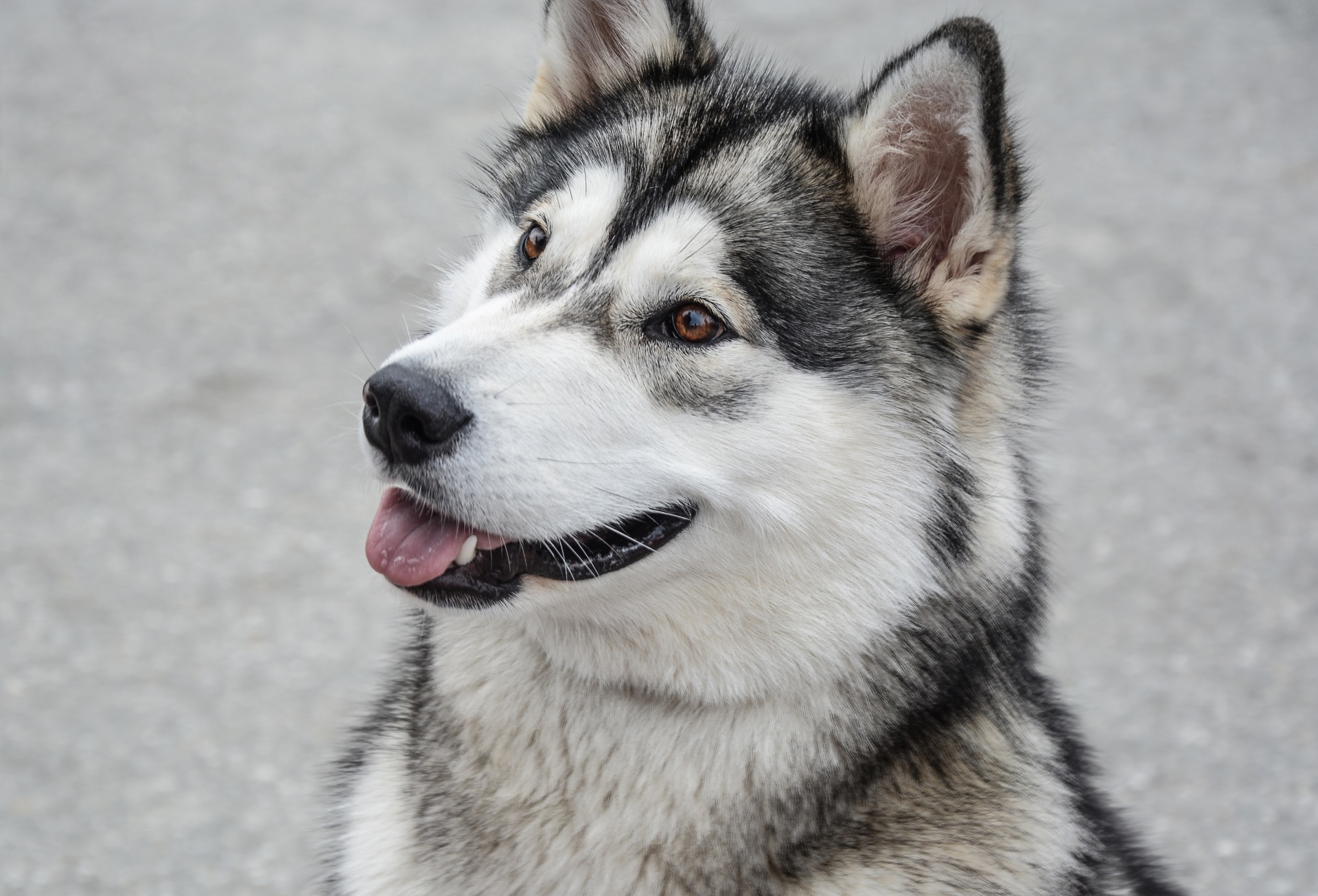
The Alaskan Malamute stands 23 to 25 inches at the shoulder and weighs 75 to 85 pounds. Everything about the Malamute suggests its origin as an arctic sled dog: The heavy bone, deep chest, powerful shoulders, and dense, weatherproof coat all scream, 'I work hard for a living!' But their almond-shaped brown eyes have an affectionate sparkle, suggesting Malamute’s enjoy snuggling with their humans when the workday is done. Malamute’s are pack animals. And in your family 'pack,' the leader must be you. If a Malamute doesn't respect you, he will wind up owning you instead of the other way around. Firm but loving training should begin in early puppyhood. That said, a well-behaved Malamute is a joy to be with playful, gentle, friendly, and great with kids.
Siberian Husky:
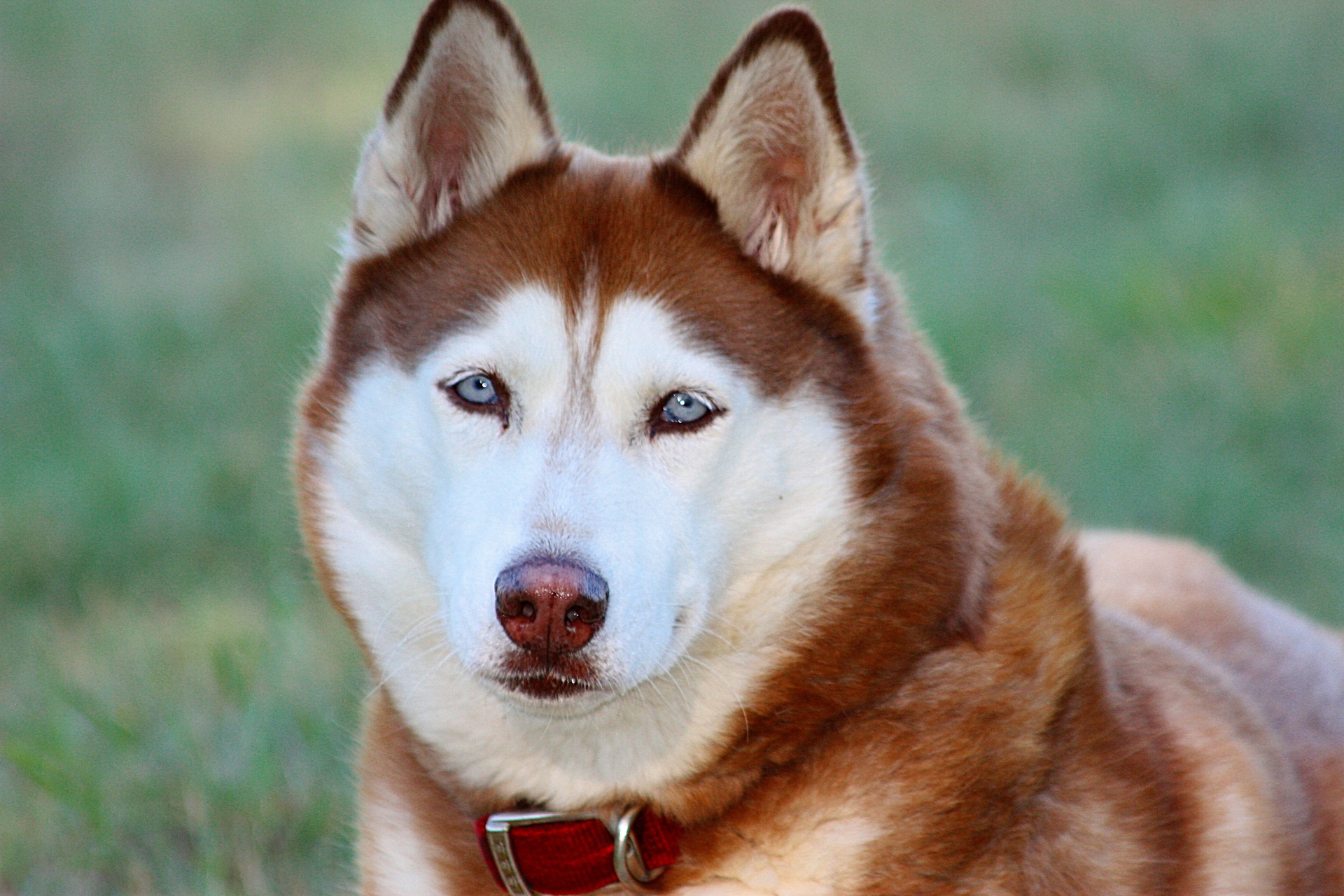
Siberian Husky, a thickly coated, compact sled dog of medium size and great endurance, was developed to work in packs, pulling light loads at moderate speeds over vast frozen expanses. Sibes are friendly, fastidious, and dignified.
The graceful, medium-sized Siberian Husky's almond-shaped eyes can be either brown or blue and sometimes one of each and convey a keen but amiable and even mischievous expression. Quick and nimble-footed, Siberians are known for their powerful but seemingly effortless gait. Tipping the scales at no more than 60 pounds, they are noticeably smaller and lighter than their burly cousin, the Alaskan Malamute. As born-pack dogs, they enjoy family life and get on well with other dogs. The Siberian's innate friendliness renders them indifferent watchdogs. These are energetic dogs who can't resist chasing small animals, so a secure running area is a must. An attractive feature of the breed: Siberians are naturally clean, with little doggy odor.
Alaskan Huskee:
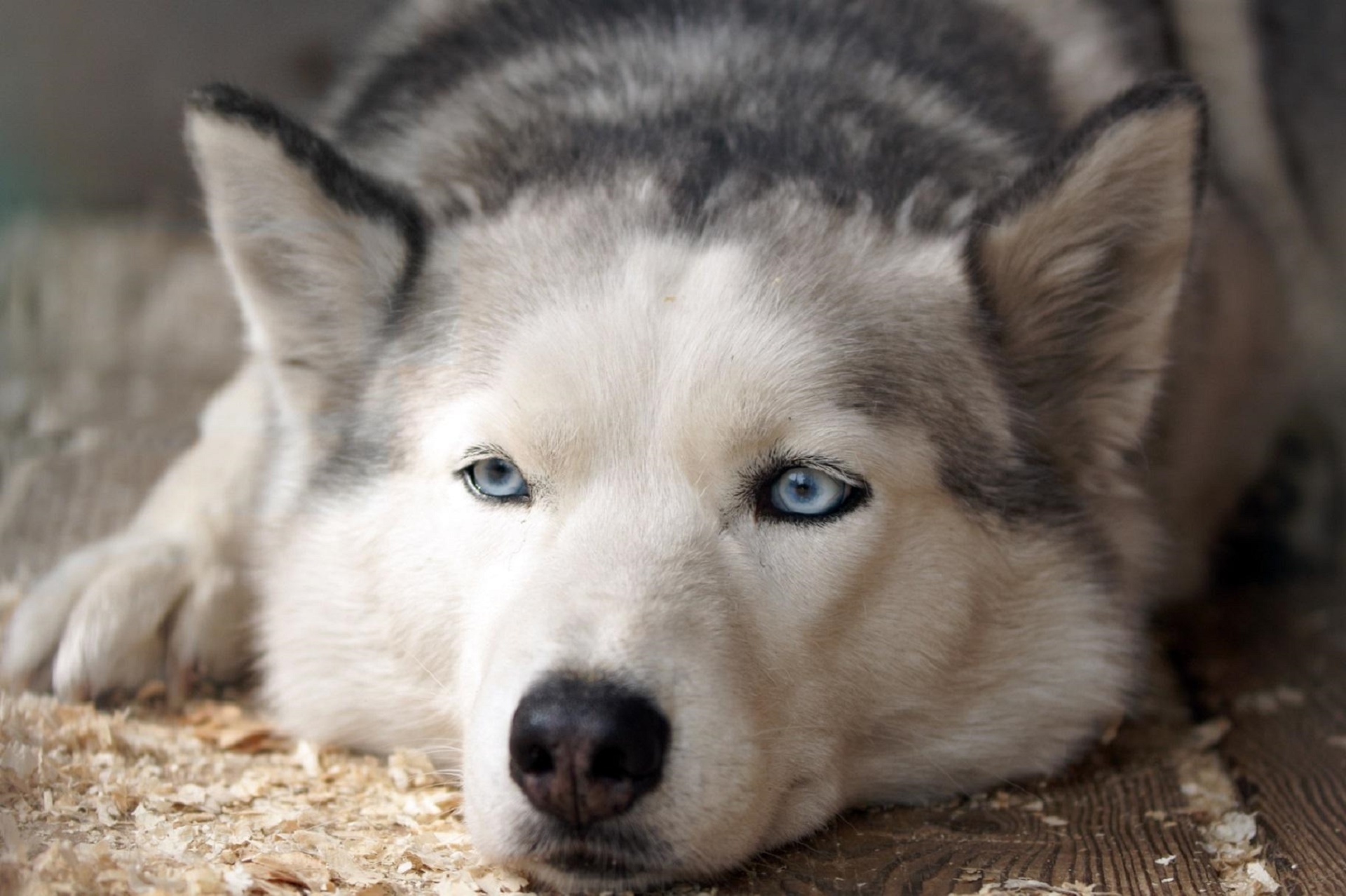
An Alaskan Husky is not in actuality a breed of dog, but rather a category of dog. All breeds of highly efficient sled dogs fall under the Alaskan Husky category, as the Alaskan is the breed of choice for world-class dog sled racing and sprint competition. The majority of Alaskan Huskies have pointy ears and a tail that curls over their backs.
Alaskan Huskies resemble Siberian Huskies in appearance. Males range from 40 to 60 pounds and females average 35 to 48 pounds. Because the Alaskan Husky is more a general category than a strict breed, it comes in any color and any pattern of markings.
The Alaskan Husky is larger and leaner than the similar-looking Siberian Husky. Where Siberians often have blue eyes, or a combination of blue and brown, Alaskans’ eyes are generally brown.
Alaskan Huskies has good vision and a strong nose due to the inclusion of sight-hound in its genetics. Swimming and retrieving do not come naturally to the Alaskan Husky, but it can jump up to six feet from a sitting position.