History of Cocoa:
The beginnings:
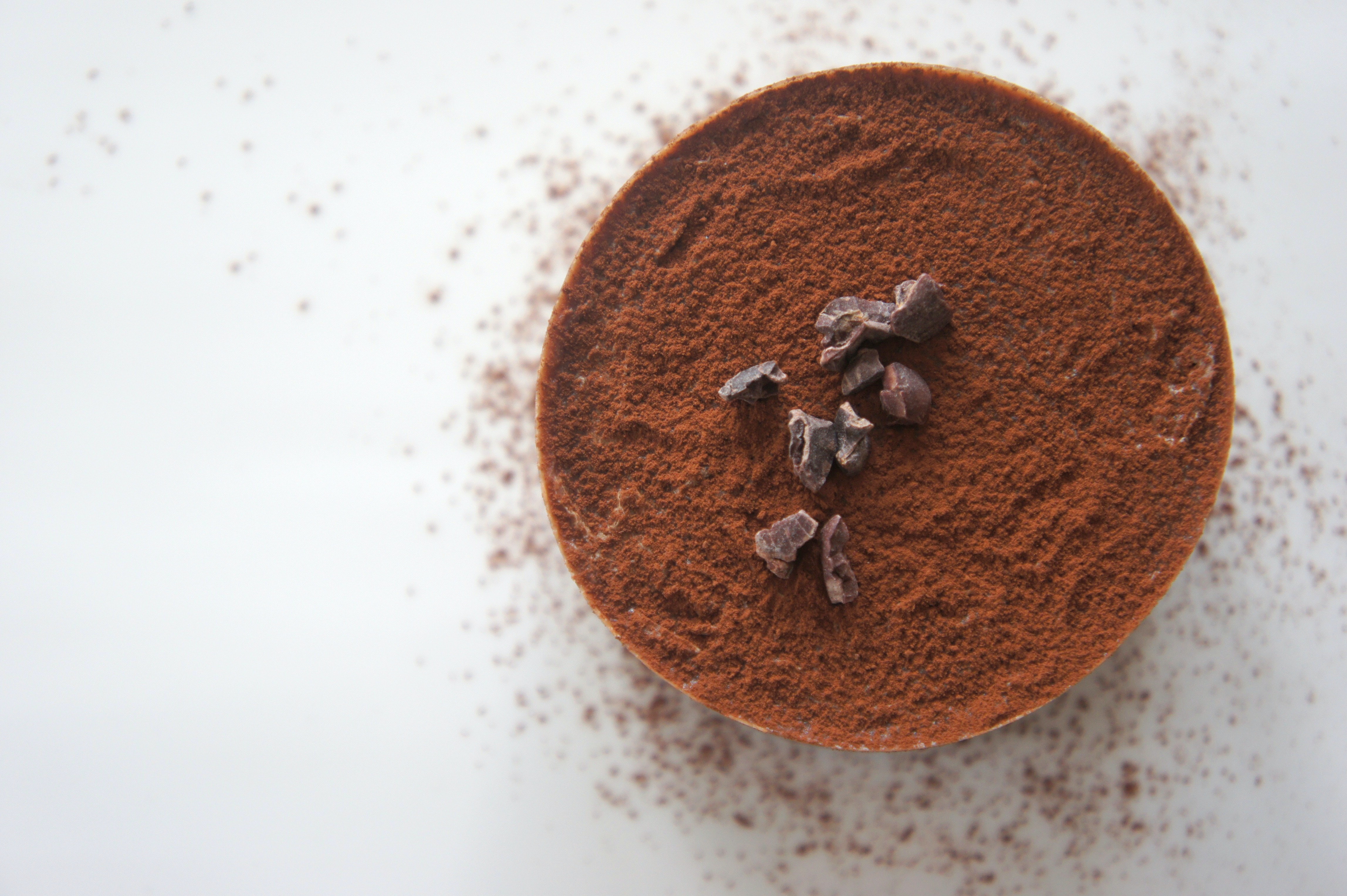
Cocoa was first cultivated as a crop in many ancient South American cultures such as the Aztecs and the Mayans. The Cocoa bean was so significant in these early cultures that it was used as a currency in trade, given to warriors as a post battle award, and served at royal feasts. Early cocoa was consumed in a beverage named “xocolatl” which means bitter water. When the Spanish Conquistadors arrived in the new world and destroyed the native cultures, they too discovered the value of cocoa. They improved upon it by adding sugar and spices to sweeten the bitter cocoa. Chocolate became very popular among the Spanish who kept the production method a secret from other Europeans for 100 years. However, the Spanish couldn’t hold on to their secret forever and chocolate quickly spread across the rest of western Europe. Hot chocolate would appear in royal courts, and special “chocolate houses” that served the social elite.
Chocolate spreads worldwide:
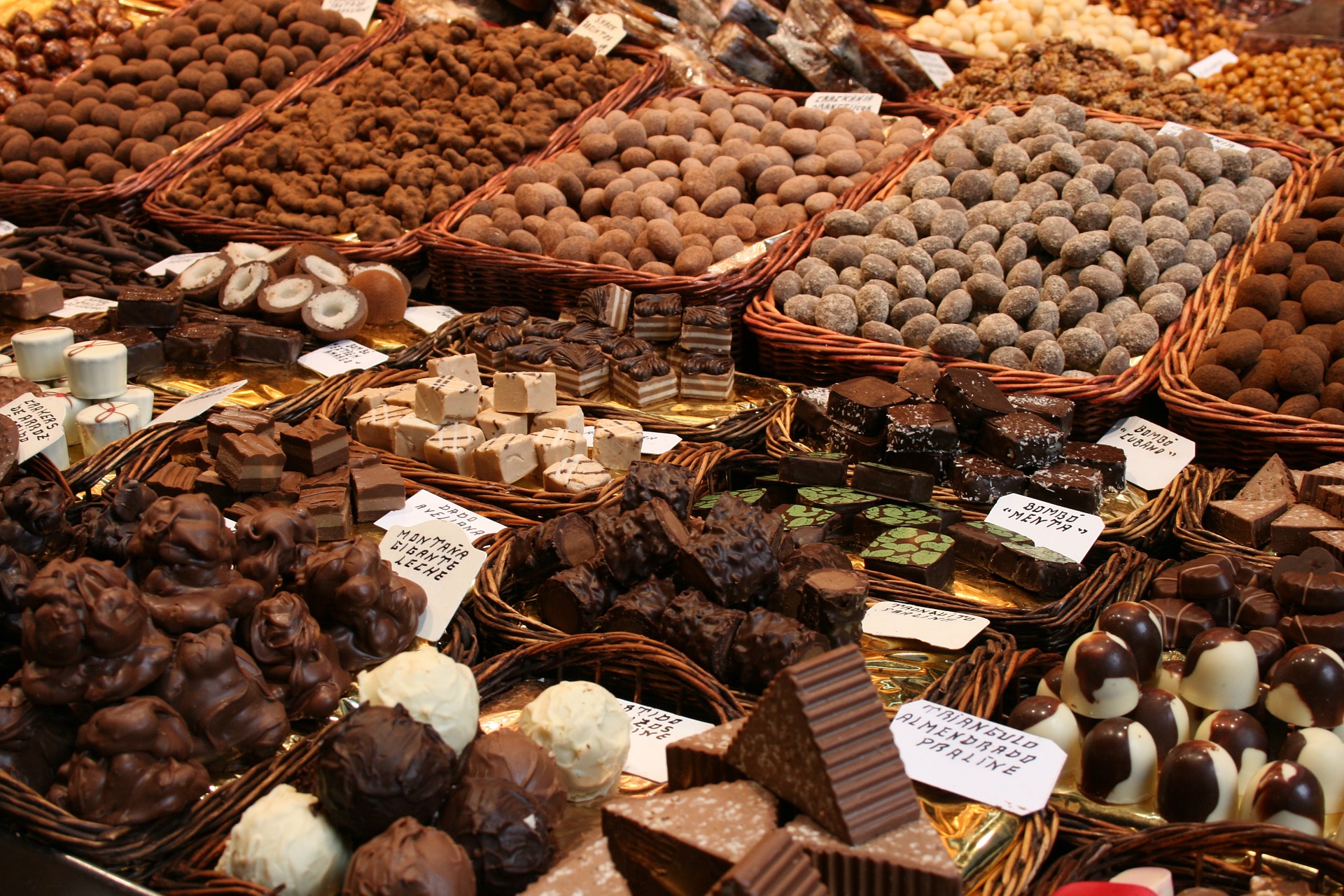
The exclusivity of chocolate diminished when the industrial revolution began, when steam powered machines made cocoa powder production faster and more affordable. Solid chocolate hit the market in 1850 after Joseph Fry discovered that adding cacao butter to cocoa powder formed a solid mass. Jean Neuhaus II created the art of chocolate confections with flavored filling in the early 1900’s. From there the chocolate and cocoa industry exploded and quickly spread around the world. Today over 4.5 million tons of cocoa beans are consumed annually!